
Venous ulcers are open wounds that tend to heal slowly, and they often signal a deeper issue with circulation. These ulcers don’t form overnight; they result from long-standing venous insufficiency that’s gone untreated. Addressing the cause behind the wound is key to successful healing and long-term prevention.
Dr. J. Avery Reynolds, MD, provides diagnosis and treatment for venous ulcers at Refine Vein Center. Patients from Franklin and throughout Williamson County trust his expertise in identifying the underlying problem and treating their vein conditions.
What Causes Venous Ulcers?
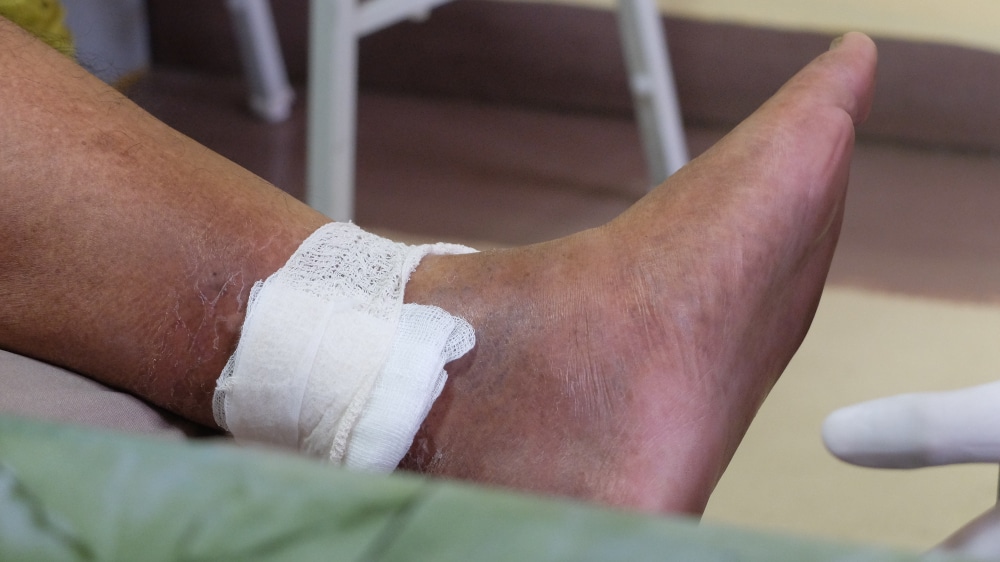
Venous ulcers, or stasis ulcers, are wounds on the surface of the skin made from untreated pooled blood that has made its way into the tissue of the body because of venous insufficiency. Venous ulcers commonly appear on the lower extremities and heal slower than other types of wounds.
What Are the Symptoms of Venous Ulcers?
Early signs that an ulcer may be forming include:
Once an ulcer develops, symptoms often include:
These ulcers are most common on the lower leg, typically just above the ankle, and may worsen without proper care.
How Are Venous Skin Ulcers Diagnosed?
When you come in for your visit, Dr. Reynolds will go over your symptoms and perform a variety of examinations, including a potential ultrasound, to determine the state of the ulcer(s). Your ulcer should heal within a few weeks upon starting treatment, but if not, Dr. Reynolds will do further testing to find the root of the issue.
Why Choose Refine Vein Center for Venous Ulcers?
Treating a venous ulcer requires more than just wound care. At Refine Vein Center, we focus on the root cause: poor circulation from chronic venous insufficiency. Dr. Reynolds is board-certified in internal medicine and venous and lymphatic medicine, bringing a focused and experienced approach to diagnosing and treating vein-related wounds.
Our Franklin office provides both noninvasive diagnostics and advanced treatments to support ulcer healing and help prevent future ulcers from forming. We walk with you through each phase of care—from initial diagnosis through full recovery—with clear guidance and follow-up.
Frequently Asked Questions
Yes. Venous ulcers can return if the underlying vein problem is not managed. Because these wounds are often linked to poor circulation and chronic venous insufficiency, long-term care may include compression, follow-up visits, lifestyle changes, and treatment for unhealthy veins when appropriate.
Compression stockings can help improve blood flow in the legs and reduce swelling, which may support venous ulcer healing.
The right type and strength of compression should be recommended by a medical provider like Dr. Reynolds, especially if you have pain, open skin, diabetes, circulation problems, or other health concerns.
Home care should follow the plan provided by your care team at Refine Vein Center. In general, you may be instructed to:
- Keep the wound clean and covered
- Change dressings as directed
- Wear compression if recommended
- Elevate your legs when resting
- Stay active with gentle walking if cleared
- Watch for signs of infection
Avoid using over-the-counter creams, ointments, or home remedies on the ulcer unless Dr. Reynolds approves them.
You should seek medical care for a leg wound that is slow to heal, keeps reopening, drains fluid, becomes painful, or appears near the ankle or lower leg with swelling or skin discoloration.
Get prompt attention if you notice spreading redness, warmth, pus, odor, fever, worsening pain, or darkening skin around the wound.
You may need vein treatment if poor circulation is contributing to the ulcer. Healing the wound is important, but addressing the underlying vein disease can help reduce pressure in the legs and lower the risk of another ulcer forming.
Refine Vein Center can evaluate your circulation and recommend next steps based on your ultrasound findings and symptoms.
Venous ulcers may be preventable for some people, especially when vein disease is treated early. Managing swelling, wearing compression when recommended, staying active, elevating the legs, caring for the skin, and following through with vein evaluation can help lower the risk.
Prevention is especially important if you have a history of varicose veins, leg swelling, skin changes, or a previous ulcer.
To protect healing skin and reduce irritation, you should generally avoid:
- Scratching or picking at the wound
- Leaving the ulcer uncovered unless instructed
- Skipping compression if it was prescribed
- Sitting or standing still for long periods
- Smoking or nicotine use
- Applying unapproved creams or home remedies
- Ignoring new drainage, odor, redness, or pain
A venous ulcer should be monitored carefully, especially if it is not improving or if symptoms are changing.
Start Healing with the Right Care
Venous ulcers can be persistent, but they’re treatable with proper diagnosis and targeted vein care. Early attention helps prevent infection, improve healing, and reduce the risk of recurrence.
Contact Refine Vein Center at (615) 716-8346 to schedule an appointment and get the care you need in Franklin or across Williamson County.