
Itchy rashes, skin discoloration, or dry, irritated patches on the lower legs may seem like dermatology problems—but they’re often symptoms of underlying vein disease. When the veins in your legs don’t circulate blood efficiently, inflammation and fluid buildup can lead to visible skin changes that may worsen over time if left untreated.
Patients with these symptoms are often misdiagnosed or treated only at the surface level. Refine Vein Center looks deeper, using non-invasive diagnostics to uncover the root cause of skin-related vein issues. Dr. J. Avery Reynolds, MD, helps patients throughout Franklin and Williamson County understand the connection between skin and vein health.
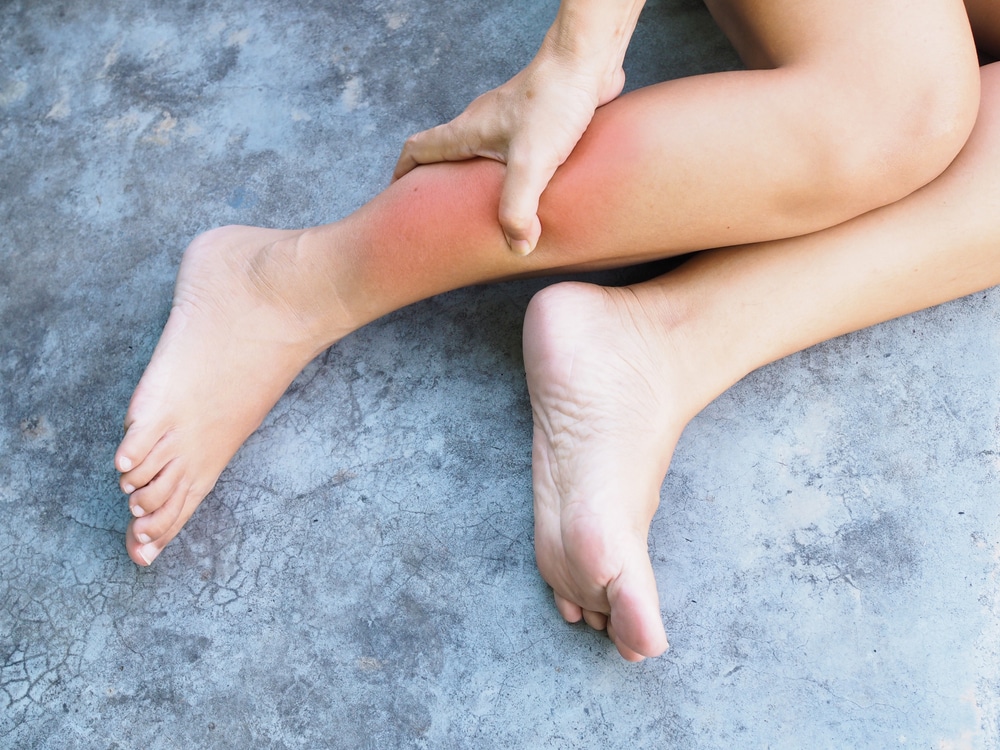
Skin Changes Caused by Vein Disease
A common sign of superficial vein insufficiency, deep vein insufficiency, or arterial occlusive disease is a visible change in the skin of the legs or ankles.
Potential Skin Changes Include:
These symptoms may occur gradually or develop more suddenly in areas where circulation has been compromised.
Understanding Venous Eczema and Venous Stasis Dermatitis
Skin rashes, redness, and itching are often caused by inflammatory changes from venous insufficiency. These conditions are commonly referred to as:
These rashes typically begin on the lower legs and are marked by red, itchy bumps that can grow into large, irritated patches. They are frequently misdiagnosed as skin infections like cellulitis. In reality, the cause is not bacterial but vascular—and it requires a different treatment approach.
What Causes Skin Discoloration?
If you have a history of skin issues related to vein disease, you may notice hyperpigmentation—the darkening of skin in areas like the ankles or lower calves.
This occurs when chronic inflammation damages the small blood vessels (capillaries), leading to leakage of red blood cells. These cells contain hemoglobin, which carries iron and has a pigmented quality. As the red blood cells break down, the pigment gets deposited in nearby tissue, causing visible dark patches.
Why Accurate Diagnosis Matters
Although this explanation may sound straightforward, many of these skin changes are misdiagnosed or overlooked. Vein-related skin conditions are often treated as isolated dermatological problems, but in most cases, the true cause lies deeper—in the veins.
At Refine Vein Center, we use duplex ultrasound and other diagnostic tools to evaluate vein function and determine whether your skin symptoms are linked to chronic venous insufficiency. Early and accurate diagnosis helps prevent complications like stasis ulcers or slow-healing wounds.
Frequently Asked Questions
Yes. Vein disease can develop beneath the surface without producing large, bulging veins. If you have persistent discoloration, itching, irritation, or other lower-leg skin changes, duplex ultrasound can help determine whether abnormal blood flow is contributing to the problem.
Faulty vein valves can allow blood to flow backward and increase pressure in the lower legs. Over time, that pressure may contribute to inflammation and changes in the surrounding skin, which is why discoloration and irritation are often noticeable around the ankles and lower calves.
Topical skin care may help with some irritation, but it does not correct abnormal blood flow when venous insufficiency is contributing to the rash. If skin symptoms persist or keep returning, evaluating your veins can help determine whether there is an underlying circulation problem that also needs attention.
The two can sometimes look similar, which is one reason vein-related skin changes may be mistaken for a skin infection. Rather than judging by appearance alone, a medical evaluation can help determine what is causing the redness, swelling, irritation, or tenderness and what type of care is appropriate.
They may. Graduated compression stockings support blood flow out of the lower legs and can be used as part of conservative care for symptoms that include skin irritation. The appropriate compression strength should be based on your individual vein evaluation and medical needs.
Long-standing circulation problems can contribute to increasingly fragile or damaged skin and may eventually be associated with venous ulcers or slow-healing wounds. Changes in skin color, texture, or irritation are worth evaluating before the area progresses to an open sore.
A diagnostic vein ultrasound is a noninvasive exam that uses sound waves rather than radiation. Gel is placed on the leg, and a handheld probe is moved over the skin to examine the veins and blood flow. The findings can help us determine whether your skin symptoms are connected to venous insufficiency.
Why Choose Refine Vein Center for Skin Changes and Vein Symptoms?
Dr. Reynolds is board-certified in internal medicine and venous and lymphatic medicine and brings years of experience to the diagnosis and treatment of complex vein conditions. He understands how often vein disease goes unrecognized, especially when it presents as a skin issue.
At Refine Vein Center, we focus on getting to the root of your symptoms. Our Franklin office offers in-house diagnostic imaging, personalized treatment plans, and a supportive environment where patients receive answers and long-term solutions. If you’ve been told your skin rash or discoloration is just a skin problem, we’re here to take a closer look.
Don’t Overlook What Your Skin Is Telling You
Changes in skin color or texture may be your body’s way of revealing deeper circulation issues. Early evaluation and treatment can protect your skin and prevent more serious complications down the road.
Call (615) 716-8346 to schedule a visit at Refine Vein Center in Franklin, TN, and get the answers you need in Williamson County.