Being active supports circulation, but it cannot erase every risk factor for vein problems. Our team at Refine Vein Center in Franklin, Tennessee, evaluates vein disease in athletes when leg heaviness, swelling, or cramping begins to feel different from normal training fatigue. Dr. J. Avery Reynolds is board-certified in internal medicine and venous and lymphatic medicine and has performed thousands of minimally invasive, ultrasound-guided vascular procedures.
Why Fitness Doesn’t Eliminate Vein Risk
Veins contain one-way valves that help blood travel from the legs back toward the heart. When those valves weaken or become damaged, blood can move backward and collect in the lower legs. Family history can raise that risk even in someone who exercises regularly and appears otherwise healthy.
Certain sports may also put extra pressure on a vulnerable venous system. Heavy lifting increases pressure in the abdomen and legs, cycling involves long stretches in a seated position, and running or court sports create repeated impact. Contact injuries can also aggravate superficial veins. These activities do not guarantee a circulation problem, but they may make symptoms from an existing weakness easier to notice.
When Soreness May Be More Than Soreness
Muscle soreness usually follows a demanding workout and gradually improves with rest. Circulation-related discomfort may keep returning, feel out of proportion to the session, or become more noticeable after prolonged sitting or standing.
Pay attention to changes such as:
- Persistent leg heaviness or fatigue
- Swelling in the feet, ankles, or lower legs
- Cramping or throbbing during or after activity
- Tenderness that is not tied to a clear injury
- Itching or irritation around the lower legs
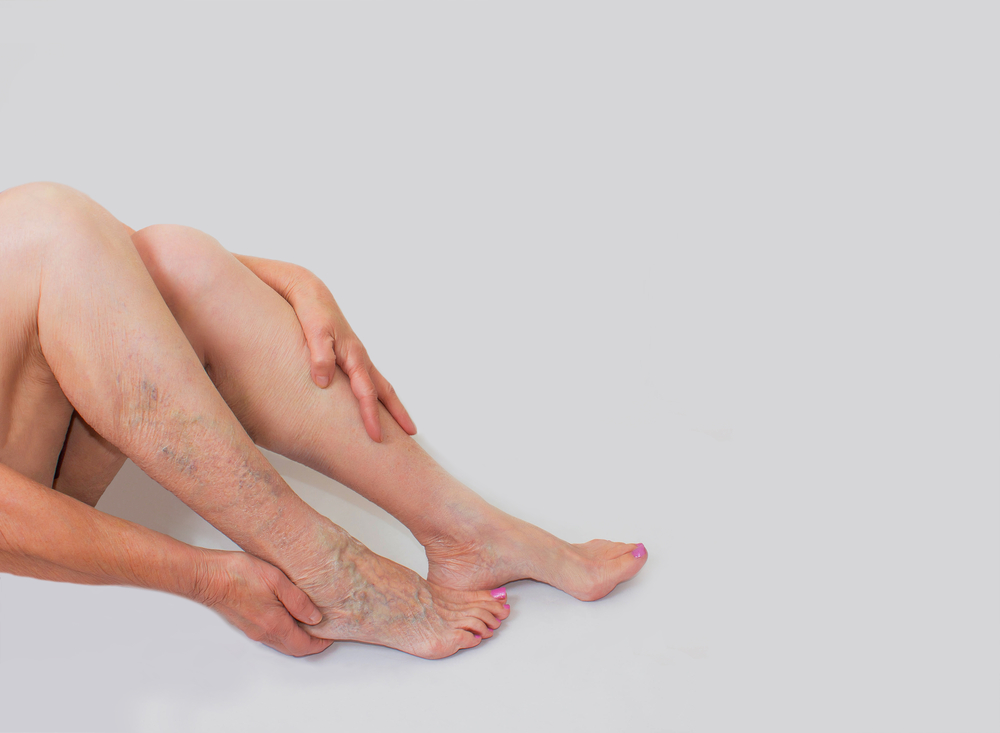
- New or increasingly visible varicose veins
A vein condition can be present even when you do not see bulging veins. It is also important not to dismiss sudden pain or swelling in one leg as routine workout soreness. Those symptoms may be associated with deep vein thrombosis and warrant prompt medical attention. Chest pain, shortness of breath, or a rapid heartbeat requires emergency care.
How Ultrasound Helps Identify the Cause
A vein assessment looks beyond the appearance of your legs. During a first visit, we review your symptoms, medical history, lifestyle, and exercise routine before completing a physical exam and, when indicated, a diagnostic duplex ultrasound.
Our vascular ultrasound team uses sound waves to examine superficial and deep veins, check valve function, and look for backward blood flow called venous reflux. The scan does not use radiation. Results can show whether circulation is contributing to your symptoms, which veins are involved, and whether conservative vein care or a procedure may be appropriate.
Get Answers About Changes in Your Legs
You should not have to guess whether repeated heaviness, swelling, or cramping is part of training. Contact us to arrange an evaluation with Dr. Reynolds and our team at Refine Vein Center in Franklin, TN. Call 615-716-8346 to discuss symptoms that are affecting your workouts, recovery, or everyday comfort.
