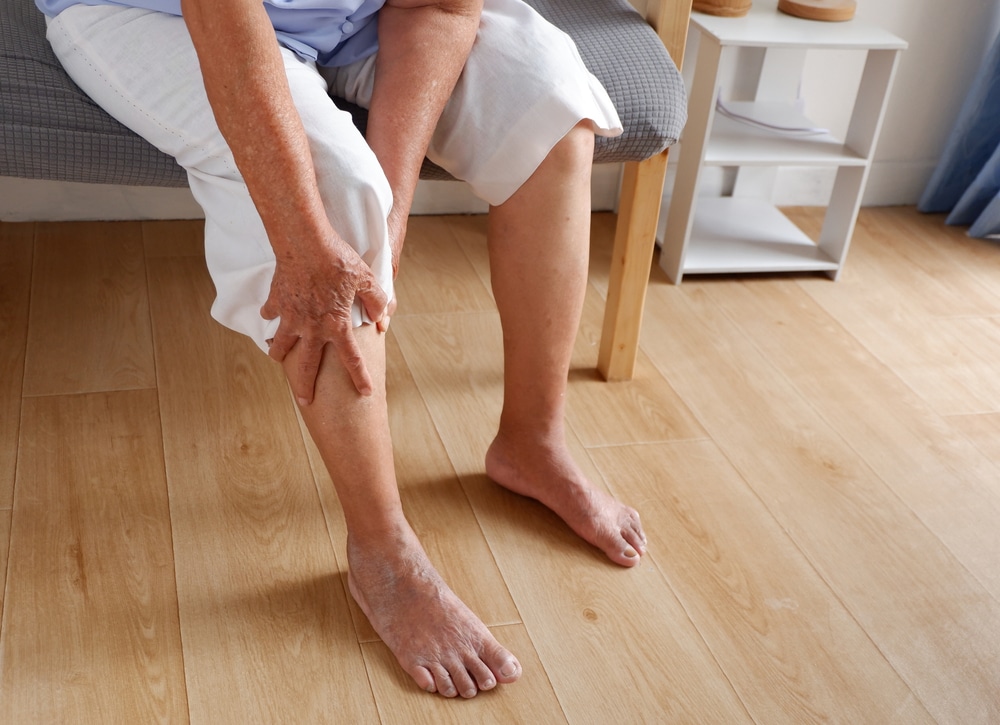
Ongoing pain or tenderness in your legs isn’t always the result of overuse or aging. In many cases, it points to an underlying issue with how blood flows through your veins. Recognizing the signs early can help prevent complications and improve your comfort long-term.
At Refine Vein Center in Franklin, Tennessee, Dr. J. Avery Reynolds, MD evaluates vein-related leg pain with a focus on finding its underlying cause. Board-certified in internal medicine and venous and lymphatic medicine, Dr. Reynolds uses your history, exam, and diagnostic imaging to determine whether a venous condition may be contributing to your symptoms.
Leg Pain and Tenderness May Indicate Vein Disease
Chronic venous insufficiency can contribute to ongoing leg pain and tenderness. This condition affects the veins’ ability to return blood to the heart efficiently, causing it to pool in the legs and create pressure and inflammation.
Some patients may experience a dull ache, throbbing, or heaviness that worsens after long periods of standing or sitting. Others notice increased sensitivity or tenderness along the calves or behind the knees, especially as the day goes on. The discomfort may improve temporarily with leg elevation, but without proper treatment, symptoms typically return and may worsen over time.
Associated Symptoms That May Occur With Leg Pain
How We Evaluate Vein-Related Leg Pain
Leg pain can have many causes, so discomfort alone cannot confirm a vein problem. Venous insufficiency may cause aching, throbbing, heaviness, or tenderness that becomes more noticeable after spending long periods sitting or standing. Swelling, cramping, or skin changes may occur as well.
We start by reviewing your symptoms and medical history and examining your legs. If a circulation problem is suspected, a diagnostic duplex ultrasound can show how blood is moving through your veins and identify valves that are not functioning normally. This is especially useful because vein disease can exist even when there are no obvious bulging varicose veins.
What Happens If Vein Disease Is Found?
Your exam and ultrasound findings help guide the treatment plan. Some people begin with conservative measures such as compression therapy and changes to daily habits. If a procedure is recommended, we can discuss the minimally invasive vein treatments offered at our Franklin office and which option fits the findings from your evaluation.
Why Choose Refine Vein Center for Leg Pain and Tenderness?
Dr. Reynolds is board-certified in internal medicine and venous and lymphatic medicine, with years of experience treating complex vein conditions. He takes a comprehensive, diagnostic-first approach to leg pain—ensuring the source of discomfort is accurately identified before recommending care.
At Refine Vein Center, patients receive in-office duplex ultrasound imaging and minimally invasive treatments, all performed in a comfortable, modern setting in Franklin. Whether your symptoms are new or ongoing, our team will work with you to develop a care plan that fits your needs and lifestyle.
Get Answers About Ongoing Leg Pain
Persistent leg pain deserves a closer look, particularly when aching, heaviness, or swelling keeps returning.
Contact us to arrange an evaluation with Dr. J. Avery Reynolds, MD, at Refine Vein Center in Franklin, TN, or call 615-716-8346.
FAQs
Yes. A venous condition can develop below the surface without creating obvious bulging veins. Diagnostic ultrasound can help identify abnormal blood flow that may not be visible during a physical exam.
When vein valves do not move blood efficiently toward the heart, pressure can build in the lower legs. Spending extended periods in one position may make aching, heaviness, or throbbing more noticeable.
Elevation may temporarily reduce pressure and ease symptoms for some people. If you regularly need to elevate your legs for relief, an evaluation can help determine whether venous insufficiency is contributing.
No. Tenderness can have several causes and does not automatically mean you have deep vein thrombosis (DVT). However, sudden pain or swelling should be evaluated promptly, especially when symptoms develop unexpectedly.
If venous insufficiency is contributing to your discomfort, treating the affected veins may help reduce symptoms such as aching or heaviness. Your exam and imaging results help determine whether vein treatment is likely to address the source of your pain.