
Vein problems often begin quietly, with symptoms like leg fatigue or mild swelling that are easy to dismiss. When circulation issues aren’t identified early, they can progress into more serious conditions that affect both comfort and long-term health. Chronic venous insufficiency (CVI) is one such condition, developing when vein valves fail to keep blood moving efficiently through the legs.
Refine Vein Center evaluates and treats vein conditions like CVI and more. Dr. J. Avery Reynolds, MD, helps patients in Franklin and throughout Williamson County understand how vein disease progresses and what can be done to stop it before complications develop.
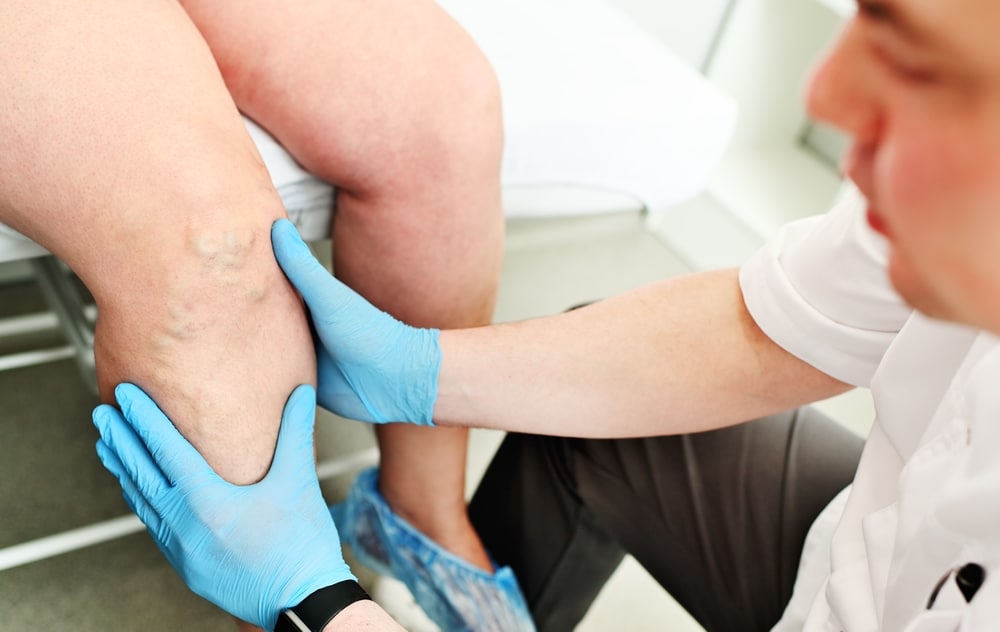
Chronic Venous Insufficiency
CVI is a dangerous health issue that prohibits blood from being properly circulated throughout the body. This then leads to varicose and spider veins in the lower extremities. Should those be left untreated, other more severe problems will occur, such as ulcers, bleeding, and thrombosis.
Who is Affected by CVI?
All people who suffer from venous insufficiency are at risk of developing CVI if their venous insufficiency is not treated soon enough. Varicose veins are extremely common among Americans, and between 20-30 million Americans have them. Women suffer more than men, but both women and men have a heightened risk of developing venous insufficiency the older they get
Varicose Veins and CVI
Varicose veins are one of the most visible signs of venous insufficiency and often play a direct role in the development of chronic venous insufficiency (CVI).
Things to know about varicose veins:
You are more at risk of venous insufficiency based on the following points:
Why Choose Refine Vein Center for Chronic Venous Insufficiency?
Chronic venous insufficiency requires careful diagnosis and long-term planning—not just surface-level treatment. Dr. Reynolds is board-certified in internal medicine and venous and lymphatic medicine and has treated thousands of patients with progressive vein disease.
At Refine Vein Center, evaluations include detailed duplex ultrasound imaging to assess vein function and identify where circulation breaks down. Our Franklin clinic offers modern, minimally invasive treatments designed to slow progression, relieve symptoms, and reduce the risk of serious complications. Patients throughout Williamson County trust our team for thorough care and clear guidance at every stage.
FAQs
CVI is diagnosed through a combination of symptom review, physical examination, and imaging. During your visit, Dr. Reynolds will ask about leg discomfort, swelling, skin changes, or fatigue.
A duplex ultrasound is then used to evaluate how blood flows through your leg veins and to identify valves that aren’t working properly. The ultrasound is noninvasive and painless, and it provides real-time information that helps guide treatment decisions.
CVI is considered a chronic condition, meaning the underlying tendency toward poor vein function doesn’t go away. However, it can be effectively managed.
Modern treatments can close or redirect damaged veins, improve circulation, and relieve symptoms. With proper care and follow-up, many patients prevent progression and enjoy long-term improvement in comfort and leg health.
Early CVI symptoms often feel mild and easy to dismiss. These can include leg heaviness at the end of the day, subtle ankle swelling, nighttime cramping, itching, or a feeling of restlessness in the legs. Some people notice skin dryness or faint discoloration long before visible veins appear. Catching these signs early can make treatment simpler and more effective.
Varicose veins commonly develop as CVI progresses, but they aren’t always present in the early stages. CVI can exist beneath the surface before veins become visible. In some cases, valve dysfunction occurs in deeper veins that don’t create noticeable bulging, which is why imaging is important even when veins aren’t obvious.
CVI primarily affects the veins in the legs and doesn’t directly cause heart disease or stroke. However, it can increase the risk of local complications such as skin breakdown, ulcers, infections, and blood clots in the legs. Treating CVI early helps protect your legs and reduces the chance of these serious vein-related complications developing over time.
Treat CVI to Avoid Dangerous Complications
If your venous insufficiency develops into CVI, you may experience an array of symptoms ranging from simple cosmetic bothers to swelling of the lower extremities, itchy and irritated skin, leg pain and cramping, skin discoloration, sores and ulcers, and, eventually, varicose and/or spider veins.
These symptoms can become worse over time, and varicose veins can cause severe risks to your health, such as DVT, or blood clotting that impacts the lungs in a fatal way. Contact Refine Vein immediately if you suspect that you might have CVI or other venous issues.
Call (615) 716-8346 to schedule an appointment in Franklin, TN, and get expert care for CVI in Williamson County.