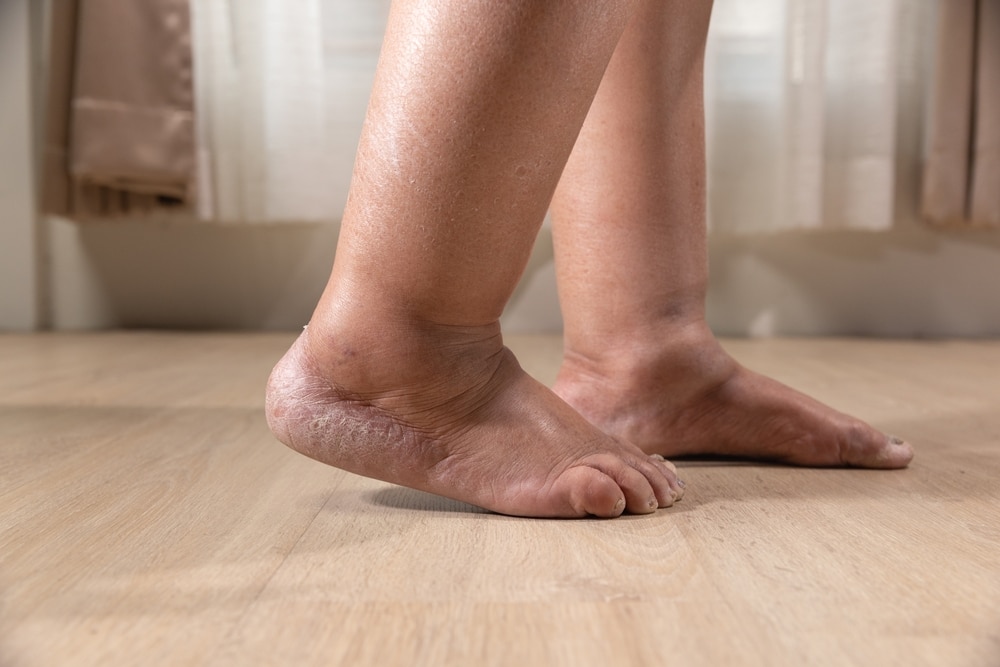
Swelling in the lower legs can be uncomfortable, and at times, a sign of something more serious. When swelling becomes persistent or worsens with time, it may be linked to underlying vascular or lymphatic issues. Leg swelling should never be ignored, especially if it’s accompanied by other symptoms like heaviness, aching, or skin changes.
At Refine Vein Center in Franklin, Tennessee, Dr. J. Avery Reynolds, MD, helps patients throughout Williamson County understand what’s causing their leg swelling and how to manage or resolve it. With extensive experience in diagnosing vein-related conditions, Dr. Reynolds offers non-surgical solutions to help you feel better and stay active.
Causes of Leg Swelling
Swelling in the legs often points to underlying circulation issues, especially when it becomes persistent or returns regularly. Two of the most common conditions behind this type of swelling are edema and lymphedema. While they may feel similar at first, each has distinct causes, risks, and treatment needs.
Symptoms of Lymphedema or Swelling
Here are some of the common signs to watch for:
Why Choose Refine Vein Center for Leg Swelling?
Dr. Reynolds, founder of Refine Vein Center, brings over a decade of clinical experience and is double Board Certified in Internal Medicine and Venous and Lymphatic Medicine. He has performed thousands of minimally invasive procedures and understands how chronic swelling often points to overlooked vascular conditions. At our Franklin clinic, we take the time to uncover the true cause of your swelling using diagnostic ultrasound and evidence-based evaluation.
We specialize in treating conditions like chronic venous insufficiency, varicose veins, and lymphedema with a personalized, patient-first approach. Every treatment plan is built around your specific symptoms, insurance requirements, and lifestyle needs. Our clinic is known for providing clear answers and real solutions to people who’ve spent years searching for relief. When you walk through our doors, you’ll be met with compassion, professionalism, and expert care.
Frequently Asked Questions
Get Support for Ongoing Leg Swelling
Issues with the overall vascular system in your body that are left untreated can eventually cause issues with the lymphatic system. This is because the lymphatic system helps a failing vascular system, but over time, the weight of the extra work becomes too much for both. This can and often does lead to lymphedema. To avoid these unnecessary issues in the body, contact us to get started on your treatment today.
Call Refine Vein Center in Franklin, TN, at (615) 716-8346 to schedule an appointment We’re proud to serve patients throughout Williamson County and look forward to helping you get back to feeling your best.